
California Pedestrian Accident Law: Protecting Injured Pedestrians and Their Families
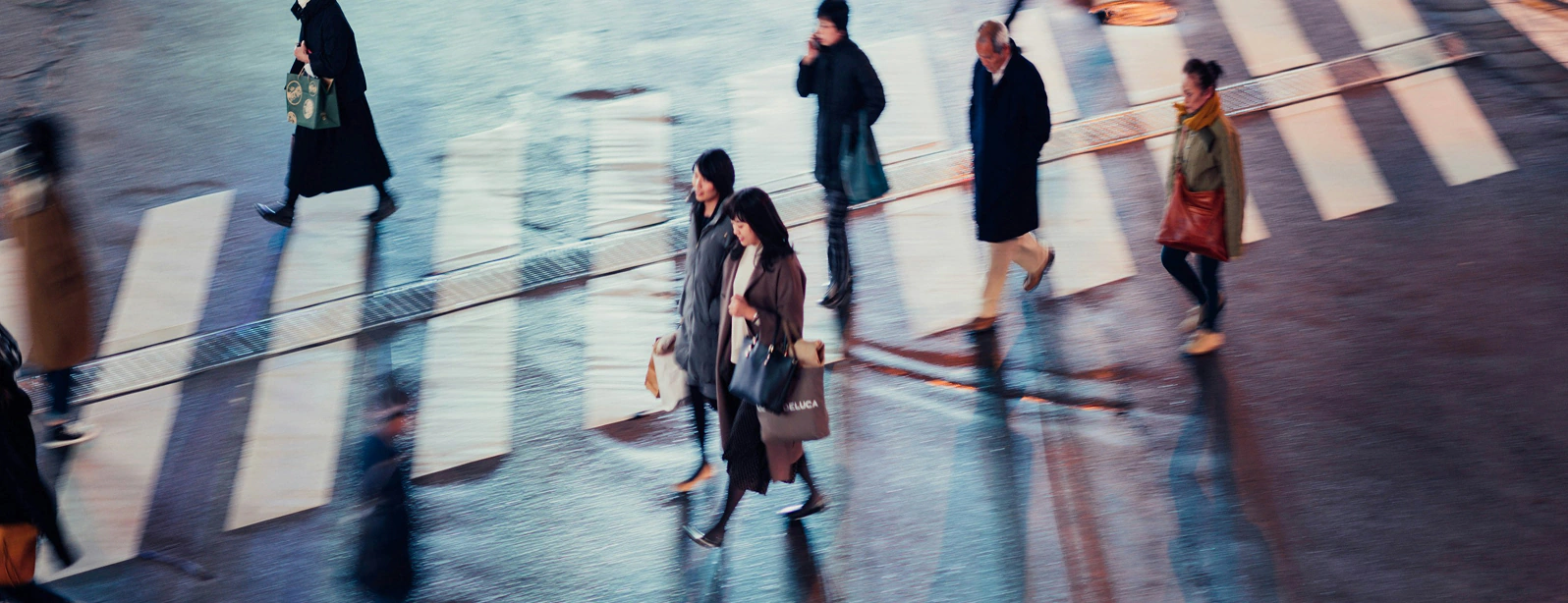
California has some of the busiest pedestrian traffic in the country — and unfortunately, some of the highest injury and fatality rates. When a vehicle strikes a pedestrian, the results are almost always catastrophic: traumatic brain injuries, spinal trauma, fractures, internal injuries, and wrongful death.
At Bakh Law Group, PC, we represent pedestrians injured by negligent motorists, rideshare drivers, delivery vans, school buses, commercial vehicles, and dangerous roadway conditions. California law strongly protects pedestrians, and drivers have a heightened duty of care to avoid hitting them.
This guide explains how liability is proven, how CACI negligence instructions apply, the types of pedestrian cases BLG handles, and 30 detailed FAQs.
Pedestrian accident cases are governed by CACI 400–401 (general negligence) and CACI 700–705 (pedestrian-specific duties).
To win, the pedestrian must prove:
1. The Driver Owed a Duty of Care (CACI 400)
Drivers must use reasonable care to avoid injuring pedestrians. This includes:
- Maintaining a proper lookout
- Yielding to pedestrians in crosswalks
- Slowing in school zones and residential neighborhoods
- Exercising caution when visibility is limited
- Avoiding distractions such as phones
- Never driving impaired
2. The Driver Breached Their Duty (CACI 401)
Breaches commonly include:
- Speeding
- Distracted driving (texting, GPS use)
- Failing to yield in crosswalks
- Rolling stop signs (“California rolls”)
- Making left or right turns without checking for pedestrians
- Backing out of driveways or parking lots without looking
- School zone violations
- Running red lights
3. The Breach Caused the Injury (CACI 430)
California’s substantial factor test requires only that the driver’s negligence contributed to the injury in more than a trivial way.
4. The Pedestrian Suffered Damages
This includes medical bills, lost wages, disability, pain and suffering, future care, and more.
- CACI 700 — Duty of a Motorist
- CACI 701 — Duty to Keep a Lookout
- CACI 702 — Duty to Sound Horn When Necessary
- CACI 705 — Pedestrian Right of Way in Crosswalks
- CACI 706 — Speed Laws & Driving Too Fast for Conditions
These instructions frequently determine liability in California pedestrian cases.
- Failure to yield in crosswalks
- Vehicles speeding through residential or school zones
- Distracted driving
- Uber/Lyft or delivery drivers rushing between pickups
- Left-turn collisions
- Impaired driving
- Poor nighttime visibility
- Dangerous roadway design
- Parking lot backing collisions
Below are specialized categories BLG litigates — integrated into your core pedestrian practice page.
✔ Uber & Lyft Pedestrian Accidents
Pedestrians hit by rideshare drivers can recover compensation from multiple insurance layers:
Uber/Lyft Insurance Coverage
Coverage depends on the driver’s “status”:
- App Off – Driver’s personal insurance applies
- App On / Waiting for Ride – Uber/Lyft provides limited liability coverage
- En Route to Pickup or During Trip – Companies provide $1,000,000 in coverage
These cases involve:
- Distracted rideshare drivers looking at the app
- Rushing to pick up passengers
- Sudden U-turns and unsafe stopping
- Unfamiliarity with area / navigation errors
BLG also evaluates employer liability, negligent hiring, and unsafe driver history.
✔ School Zone Pedestrian Accidents
School zones are among the most dangerous locations for pedestrians — especially children, who drivers must anticipate.
Common causes:
- Speeding through school zones
- Failure to stop for school buses
- Illegal drop-off/pick-up maneuvers
- Distracted parents rushing
- Poor signage or inadequate crossing guards
Drivers owe heightened care when children are present.
Cities, school districts, and crossing-guard programs may also share liability for:
- Unsafe crossing design
- Lack of flashing beacons
- Poor signage
- Inadequate visibility
✔ Crosswalk Injury Cases
Crosswalk accidents happen at:
- Marked crosswalks
- Unmarked intersections (legal crosswalks)
- Mid-block crosswalks
- Flashing-beacon crossings
- Pedestrian scramble intersections
Key issues include:
- Failure to yield (Vehicle Code §21950)
- Turning drivers failing to check for pedestrians
- Inadequate lighting
- Poor roadway design
- Short pedestrian signal times
- Malfunctioning walk signals
BLG often brings claims against cities or Caltrans for dangerous crosswalk design.
✔ Wrongful Death Pedestrian Cases
Pedestrian fatalities often require:
- Wrongful death claim by heirs (CCP §377.60)
- Survival action by the estate (CCP §377.30)
Families may recover:
- Loss of financial support
- Funeral/burial expenses
- Loss of companionship, guidance, and care
- Future economic contributions
- Household services
These cases demand rapid investigation to preserve evidence (video, skid marks, vehicle data, witness testimony).
- Traumatic brain injuries
- Skull fractures
- Spinal cord injuries
- Pelvic fractures
- Internal organ damage
- Facial trauma
- Crush injuries
- Limb fractures requiring surgery
- Permanent disability
- Wrongful death
Claims may be brought against:
- City or county transportation departments
- Caltrans
- School districts
- Public agencies
For:
- Dangerous crosswalk design
- Poor lighting
- Failure to maintain traffic signals
- Lack of signage
- Improper speed limits
Government Tort Claim must be filed within 6 months
Victims may recover:
- Medical bills
- Future medical care
- Lost wages & earning capacity
- Pain and suffering
- Emotional distress
- Disability and disfigurement
- Mobility equipment & home modifications
- Long-term care
- Wrongful death damages for families
- Two years for personal injury
- Six months for government defendants
- Two years for wrongful death
- Minors receive tolling
BLG conducts:
- Accident reconstruction
- Traffic signal and timing analysis
- Intersection visibility studies
- Cell phone & digital forensics
- Video retrieval (traffic cameras, doorbell cams, business footage)
- Vehicle black box (EDR) downloads
- Interviewing witnesses
- Lighting & human factors analysis
Every case is built for trial from day one.
Immediately — delay jeopardizes evidence.
No — we work on contingency fees.
No — let BLG handle all communication.
All negligent parties may be liable.
This still qualifies as a pedestrian injury claim.
Drivers must anticipate a child’s unpredictable behavior.
Yes.
Left-turn cases often result in driver fault.
Drivers must adjust speed and use caution.
Most do, but BLG prepares for trial.
UM/UIM coverage may apply.
Brain, spine, fractures, internal injuries, and wrongful death.
Drivers must anticipate pedestrians.
Through video, reconstruction, witness accounts, EDR data, and experts.
Yes — your awareness does not negate liability.
Drivers owe a heightened duty due to pedestrian density.
Companies like Amazon, FedEx, DoorDash, etc., may be liable.
Medical bills, pain and suffering, lost wages, future care, and more.
Yes — if design or maintenance contributed.
Not a bar to recovery; comparative fault may apply.
The law accounts for vulnerability but not “more damages”—only different impacts.
BLG performs an independent investigation.
Distracted driving is strong liability evidence.
Speeding is clear evidence of negligence.
Yes — damages may be reduced but not eliminated.
The city may share responsibility.
Both the driver and school/government entities may be liable.
Yes. Multiple layers of coverage may apply.
Yes — every intersection is a legal crosswalk.
Not always, but drivers must yield in most circumstances.
Use of This Website & No Attorney–Client Relationship
Use of this website does not create an attorney–client relationship between you and BAKH LAW GROUP, PC, JONATHAN BAKHSHESHIAN, ESQ., or any of its attorneys. Communication through this site—including email or contact forms—does not constitute confidential or privileged communications. Confidential information should not be submitted until after a proper, written engagement agreement is executed.
No Legal Advice Intended
The content on this website is provided for general informational purposes only and should not be construed as legal advice tailored to your specific situation. You should not act or refrain from acting based solely on any information contained here. Consult a qualified attorney for advice specific to your circumstances.
Attorney Advertising & Compliance
This website may constitute attorney advertising under California Rules of Professional Conduct. Nothing on this site guarantees a particular outcome. References to past results or case examples do not predict future results. No warranties or promises, express or implied, are made about the outcome of legal matters. Such advertisements are provided by Jonathan Bakhsheshian, Esq. SBN: 304282.
Disclaimers Regarding Testimonials & Endorsements
Any testimonials or client endorsements displayed on this site do not guarantee success in similar cases, and may not reflect the experience of all clients. They are not intended to create unjustified expectations. The total advertised amount recovered and the representative verdicts and settlement are derived from the total recoveries achieved by Jonathan Bakhsheshian and the attorneys of BAKH LAW GROUP, PC, while affiliated with various law firms. These include recoveries achieved through efforts with other lawyers at such firms and through affiliation with co-counsel from outside law firms.
Privacy & External Links
While we endeavor to display accurate and up-to-date information, BAKH LAW GROUP, PC disclaims all liability in connection with third-party websites that may be linked from our site. We are not responsible for their accuracy or content.
Jurisdiction & Office Location
BAKH LAW GROUP, PC is licensed to practice law in California only. Information on this site may not reflect the most current legal developments or be applicable in other jurisdictions.
Contact Us for Representation
Your use of this website does not obligate us to provide legal services. We will only enter into an attorney–client relationship upon mutual agreement, including receipt of a signed engagement letter and required disclosures.

Why Choose Bakh Law Group
At Bakh Law Group, we’ve handled thousands of personal injury and car accident cases throughout California. We understand the nuances of negligence law, insurance tactics, and the courtroom strategies that lead to successful outcomes.
We handle all cases on a contingency fee basis, meaning you pay nothing unless we win.

Contact Us - (818) 528-4115
If you’ve been injured in a car accident anywhere in California, call Bakh Law Group, PC for a free consultation. We’ll review your case, explain your rights, and help you secure the compensation you deserve.
Bakh Law Group, PC
Free Consultation | No Fees Unless We Win
Serving Los Angeles, Orange County, San Diego, the Bay Area, and all of California.