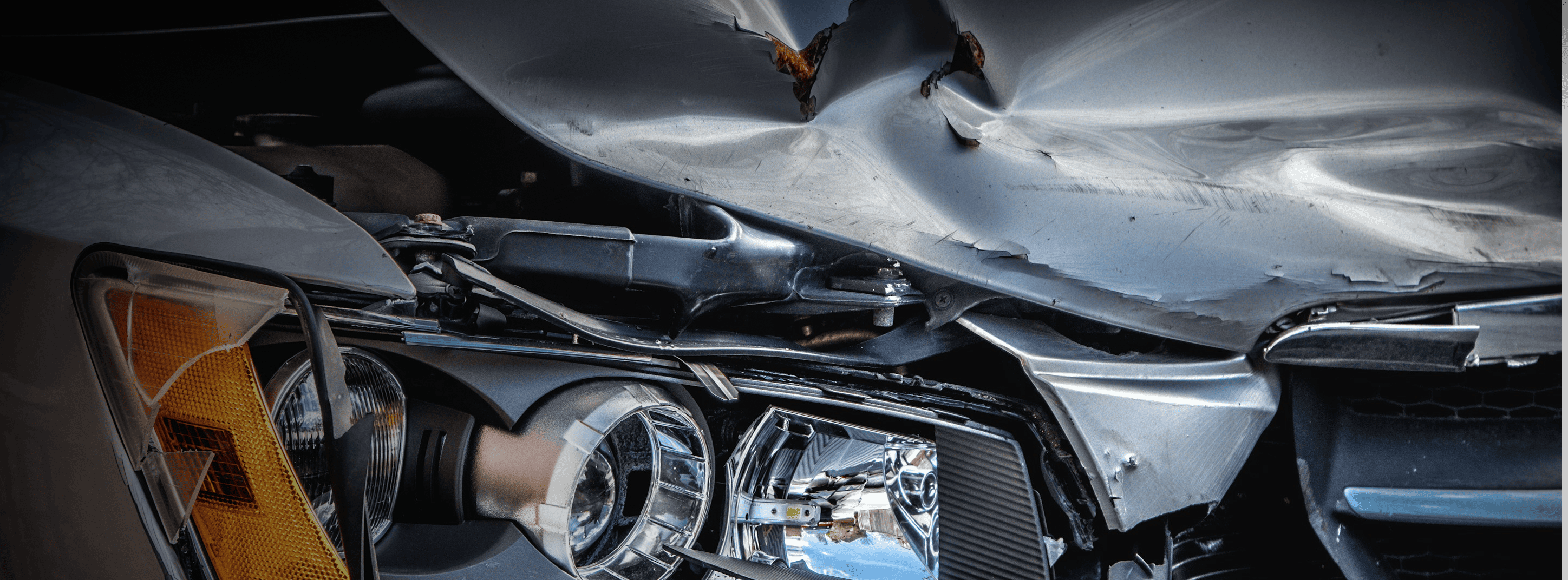

California Car Accident Law: Understanding Your Rights After a Collision
Car accidents can change lives in an instant. Beyond the physical pain and property damage, victims are often left navigating medical bills, insurance disputes, and lost income — all while trying to heal.
At Bakh Law Group, PC, we represent injury victims throughout California who were harmed by negligent, reckless, or impaired drivers. Our firm’s approach combines deep trial experience with compassion and clarity, ensuring that every client understands their rights under California law and the legal process that follows a collision.
This guide explains how California’s car accident and negligence laws work, what you can recover, and what to expect when pursuing a claim.
California law requires every driver to use reasonable care while operating a motor vehicle. Failure to do so constitutes negligence.
Negligence is defined under CACI 400 (Negligence—Essential Factual Elements) as:
- The defendant owed the plaintiff a duty of care;
- The defendant breached that duty;
- The plaintiff was harmed; and
- The defendant’s negligence was a substantial factor in causing the harm.
In a car accident, this typically means a driver failed to act as a reasonably careful person would — by speeding, texting, running a red light, or failing to yield.
California follows the doctrine of comparative fault, meaning each party’s share of responsibility determines how damages are divided.
UnderCACI 405 (Comparative Fault), even if a plaintiff is partially at fault, they may still recover damages, reduced by their percentage of fault. For example, if you were 20% at fault and your total damages were $100,000, you could still recover $80,000.
This rule encourages fairness and ensures that one party’s partial mistake doesn’t bar recovery entirely.
Car accident claims can arise from numerous negligent acts, including:
- Distracted driving (texting, using GPS)
- Speeding or reckless driving
- Running stop signs or red lights
- Following too closely
- Failing to yield or signal
- Driving under the influence of alcohol or drugs
- Fatigued or drowsy driving
Negligence can also apply to vehicle owners, employers, and other third parties, as discussed below.
California recognizes liability not only for negligent drivers but also for those who permit negligent drivers to operate their vehicles.
Under CACI 724 (Negligent Entrustment of a Motor Vehicle), an owner may be liable if they:
- Owned or controlled the vehicle;
- Allowed another person to drive it;
- Knew or should have known that the driver was unfit or incompetent; and
- That driver’s negligence caused the accident.
Separately, California Vehicle Code §17150 (Permissive Use Doctrine) provides that vehicle owners are liable for the negligence of any person driving their vehicle with their permission, up to certain statutory limits.
Sometimes, a driver faces a sudden and unexpected situation that leaves no time for reflection or careful judgment—for example, a child running into the street or a sudden mechanical failure.
Under CACI 452 (Sudden Emergency Doctrine), a driver is not negligent if they acted as a reasonably careful person would have under the same emergency circumstances, so long as they did not cause the emergency themselves.
This defense is often raised by insurance companies to minimize liability, but courts examine whether the “emergency” truly left no reasonable alternative.
Many car accident cases involve shared responsibility.
Even if both drivers contributed to the collision, California’s pure comparative negligence system ensures recovery is still possible.
For instance, if one driver was speeding and another was distracted, both may share fault. A jury assigns each percentage of blame, and the damages are reduced accordingly.
This approach, codified through Li v. Yellow Cab Co. (1975) 13 Cal.3d 804, promotes fairness in allocating damages based on true fault.
Most auto accident cases involve compensatory damages(for medical bills, lost wages, and pain and suffering). However, punitive damages may be available when the at-fault driver acted with malice, oppression, or fraud — such as driving under the influence or engaging inroad rage.
Under Civil Code §3294 and CACI 3949 (Punitive Damages), punitive damages punish particularly egregious behavior and deter others from similar conduct. Courts require clear and convincing evidence that the defendant’s actions demonstrated a conscious disregard for safety.
- Ensure Safety and Call 911 – Report injuries and request medical help.
- Exchange Information – Obtain driver’s license, insurance, and vehicle details.
- Document Everything – Take photographs of the scene, vehicles, and injuries.
- Seek Medical Attention – Even minor pain can signal serious internal injury.
- Report to Insurance – Notify your insurer promptly but avoid recorded statements without counsel.
- Contact an Attorney – Legal guidance ensures evidence is preserved and dead lines are met.
California requires all drivers to carry minimum liability insurance under Vehicle Code §16056. Claims typically proceed in one of two ways:
- Through the at-fault driver’s insurance (“third-party claim”)
- Through your own insurance (if you have MedPay or uninsured/underinsured motorist coverage)
Insurers often dispute liability or undervalue damages. Having legal representation can protect you from low settlements and ensure proper valuation of medical costs, lost earnings, and pain and suffering.
Some car accidents involve parties other than the drivers themselves, including:
- Employers (vicarious liability if employee was driving for work)
- Vehicle manufacturers (defective components or safety systems)
- Government entities (dangerous road conditions)
- Repair shops or mechanics (negligent maintenance)
Identifying all responsible parties can significantly increase recovery potential.
Under California Code of Civil Procedure §335.1, the statute of limitations for personal injury arising from a car accident is two years from the date of the collision.
If the defendant is a government entity, a Government Tort Claim must be filed within six months of the incident (Gov. Code §911.2).
Failing to file within these deadlines can bar your claim entirely.
Victims of car accidents may recover:
- Medical expenses (past and future)
- Lost wages and loss of earning capacity
- Property damage (vehicle repairs or replacement)
- Pain, suffering, and emotional distress
- Loss of consortium (for spouses)
- Punitive damages (in egregious cases)
There is no statutory cap on general damages in non-medical personal injury cases.
Key instructions often used in car accident trials include:
- CACI 400 – Negligence (basic duty of care)
- CACI 401 – Basic standard of care for drivers
- CACI 405 – Comparative fault of plaintiff
- CACI 411 – Liability for agents/employees
- CACI 452 – Sudden emergency doctrine
- CACI 724 – Negligent entrustment of motor vehicle
- CACI 3921 – Loss of consortium
- CACI 3949 – Punitive damages
These instructions guide juries in determining responsibility, causation, and damages.
Immediately. Early representation ensures evidence preservation, proper medical evaluation, and protection from insurer manipulation.
Liability is apportioned among all responsible drivers based on comparative fault.
It depends on medical expenses, lost wages, liability, and long - term impact. Serious injuries or DUI cases may warrant higher damages.
Your attorney will prepare evidence, expert testimony, and jury instructions such as CACI 400 – 405 to establish negligence and damages.
You can still recover under the same negligence principles if a driver’s carelessness caused your injury.
For property - only cases, you might handle it alone. But if you suffered injury, even soft - tissue pain, an attorney ensures fair valuation and protects against insurer tactics.
Photos, medical records, repair bills, witness testimony, and consistent documentation strengthen your claim.
There’s no formula — juries consider severity, duration, and impact of injuries on daily life.
Rarely, but if the passenger distracted the driver or interfered, partial liability could apply.
Hit - and - run victims can recover through uninsured motorist coverage or, in some cases, the Victim Compensation Board.
When a vehicle owner lets an unfit or reckless driver operate their car, making the owner liable for resulting damages.
Yes. DUI - related crashes often justify punitive damages due to conscious disregard for safety.
You may file a wrongful death claim (CCP §377.60) and recover funeral expenses, lost support, and companionship.
If you’re not at fault, your rates typically shouldn’t increase. Fault determination can affect premiums.
Minor claims can settle in weeks; complex or injury - heavy claims may take months or years.
That’s common. Some injuries manifest gradually. Seek medical evaluation and document symptoms promptly.
You can bring a claim against the responsible public entity under Gov. Code §835 , but you must file within six months.
You may have a product liability claim against the manufacturer.
Possibly. Failure to wear a seatbelt may reduce damages under comparative fault but doesn’t automatically bar recovery.
A parent or guardian can bring a claim on behalf of a minor. Settlements require court approval.
Uber and Lyft maintain $1 million in coverage for active rides; different limits apply depending on app status.
Their employer may be liable under responde at superior if the employee was acting within the scope of employment.
Yes. Passengers can pursue claims against any negligent driver, including the one operating their own vehicle.
Fault is determined by evidence such as police reports, witness statements, and accident reconstruction.
You can still recover damages under comparative negligence, reduced by your percentage of fault.
You can file through your uninsured motorist coverage (UM/UIM) if included in your policy.
Not without consulting an attorney. Insurance adjusters often seek statements that minimize your claim.
Yes. California Vehicle Code §16000 requires you to report any accident involving injury, death, or over $1, 000 in property damage to the DMV within 10 days.
Two years from the date of the accident (CCP §335.1). Government claims must be filed within six months.
Ensure everyone’s safety, call 911, exchange information, document the scene, and seek medical attention even if injuries seem minor.
Use of This Website & No Attorney–Client Relationship
Use of this website does not create an attorney–client relationship between you and BAKH LAW GROUP, PC, JONATHAN BAKHSHESHIAN, ESQ., or any of its attorneys. Communication through this site—including email or contact forms—does not constitute confidential or privileged communications. Confidential information should not be submitted until after a proper, written engagement agreement is executed.
No Legal Advice Intended
The content on this website is provided for general informational purposes only and should not be construed as legal advice tailored to your specific situation. You should not act or refrain from acting based solely on any information contained here. Consult a qualified attorney for advice specific to your circumstances.
Attorney Advertising & Compliance
This website may constitute attorney advertising under California Rules of Professional Conduct. Nothing on this site guarantees a particular outcome. References to past results or case examples do not predict future results. No warranties or promises, express or implied, are made about the outcome of legal matters. Such advertisements are provided by Jonathan Bakhsheshian, Esq. SBN: 304282.
Disclaimers Regarding Testimonials & Endorsements
Any testimonials or client endorsements displayed on this site do not guarantee success in similar cases, and may not reflect the experience of all clients. They are not intended to create unjustified expectations. The total advertised amount recovered and the representative verdicts and settlement are derived from the total recoveries achieved by Jonathan Bakhsheshian and the attorneys of BAKH LAW GROUP, PC, while affiliated with various law firms. These include recoveries achieved through efforts with other lawyers at such firms and through affiliation with co-counsel from outside law firms.
Privacy & External Links
While we endeavor to display accurate and up-to-date information, BAKH LAW GROUP, PC disclaims all liability in connection with third-party websites that may be linked from our site. We are not responsible for their accuracy or content.
Jurisdiction & Office Location
BAKH LAW GROUP, PC is licensed to practice law in California only. Information on this site may not reflect the most current legal developments or be applicable in other jurisdictions.
Contact Us for Representation
Your use of this website does not obligate us to provide legal services. We will only enter into an attorney–client relationship upon mutual agreement, including receipt of a signed engagement letter and required disclosures.

Why Choose Bakh Law Group
At Bakh Law Group, we’ve handled thousands of personal injury and car accident cases throughout California. We understand the nuances of negligence law, insurance tactics, and the courtroom strategies that lead to successful outcomes.
We handle all cases on a contingency fee basis, meaning you pay nothing unless we win.

Contact Us - (818) 528-4115
If you’ve been injured in a car accident anywhere in California, call Bakh Law Group, PC for a free consultation. We’ll review your case, explain your rights, and help you secure the compensation you deserve.
Bakh Law Group, PC
Free Consultation | No Fees Unless We Win
Serving Los Angeles, Orange County, San Diego, the Bay Area, and all of California.