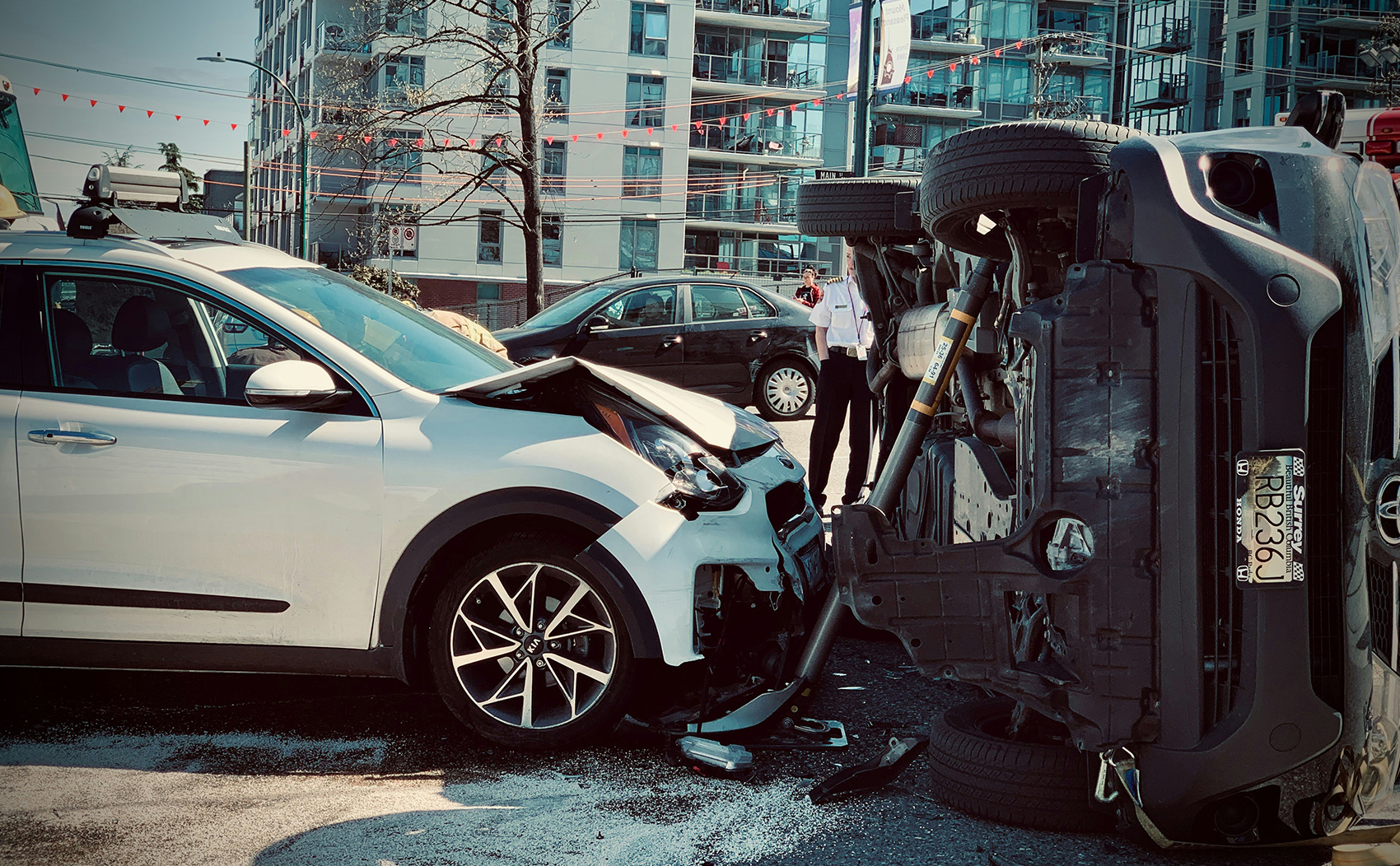
California Civil Code § 1714(a) says in relevant parts, “…[e]veryone is responsible, not only for the result of his or her willful acts, but also for an injury occasioned to another by his or her want of ordinary care or skill in the management of his or her property or person, except so far as the latter has, willfully or by want of ordinary care, brought the injury upon himself or herself.” This statute is the foundation of negligence law in California and binds all California vehicle driver’s to legal responsibility for causing an auto collision. If someone is involved in an auto accident, it is important to take the necessary steps to protect your legal rights.
Call 911 & Seek Medical Attention
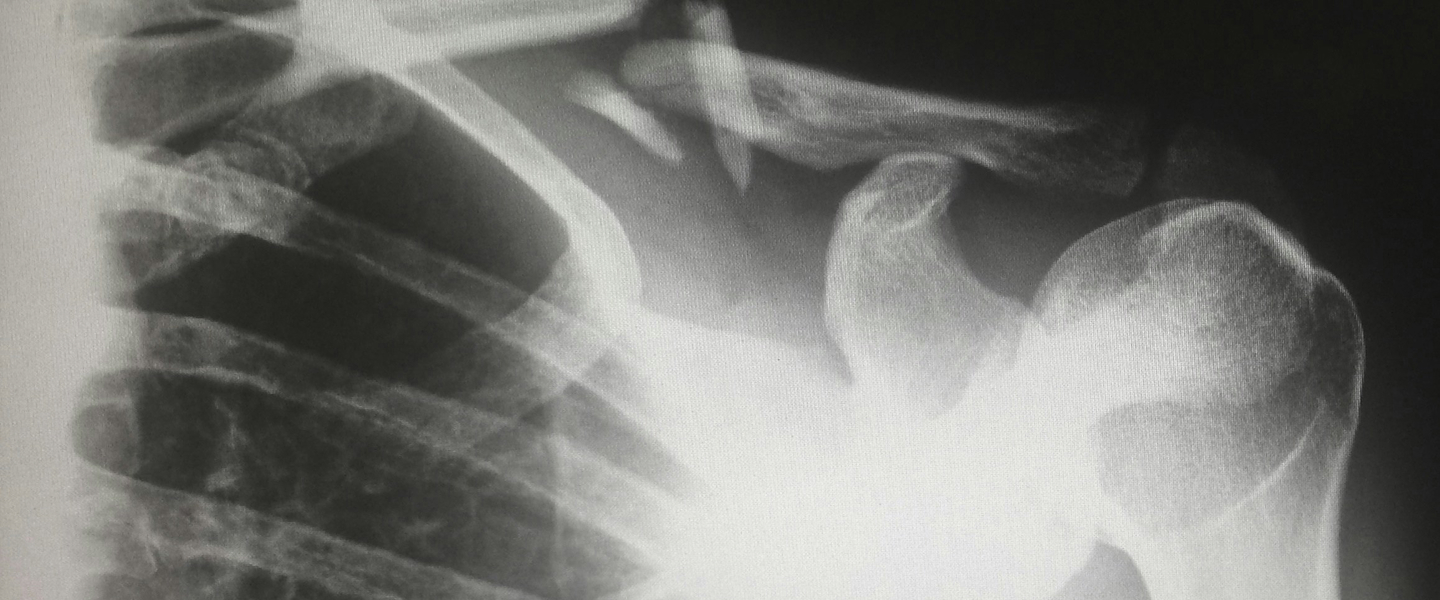
The first thing everyone should do when they are involved in a collision is to seek medical attention. Call 9-1-1 and wait for ambulance and emergency personnel to arrive at the scene to assess and address any injuries. No one should take any risks with their health. Many injuries such as spinal cord injuries, concussion symptoms, and other internal injuries can arise a few days following the collision. Those involved in an auto collision should always seek medical attention to make sure there are no potential injuries. Following up with a primary doctor can do no harm.
Pull Over To A Safe Location
Following an auto collision, the drivers should pull over to a safe location and make sure the emergency blinkers are on. If the incident occurred on the freeway and the vehicles are operable, pull off of the freeway. If the vehicles are inoperable, make sure to leave warning signs along with the emergency blinkers. It is not recommended to stay inside the vehicle but to exit and to pull over to the shoulder. If seeking medical attention, wait for their instructions.
Exchange Information
California Vehicle Code § 16028 states in pertinent parts, “…[e]very person who drives a motor vehicle upon a highway shall provide evidence of financial responsibility for the vehicle that is in effect at the time of the demand is made. The evidence of financial responsibility may be provided using a mobile electronic device. However, a peace officer shall not stop a vehicle for the sole purpose of determining whether the vehicle is being driven in violation of this subdivision…” California Vehicle Code § 20002 further states that everyone involved in an auto collision must also “…[p] resent his or her driver's license, and vehicle registration, to the other driver, property owner, or person in charge of that property.
Photograph The Incident
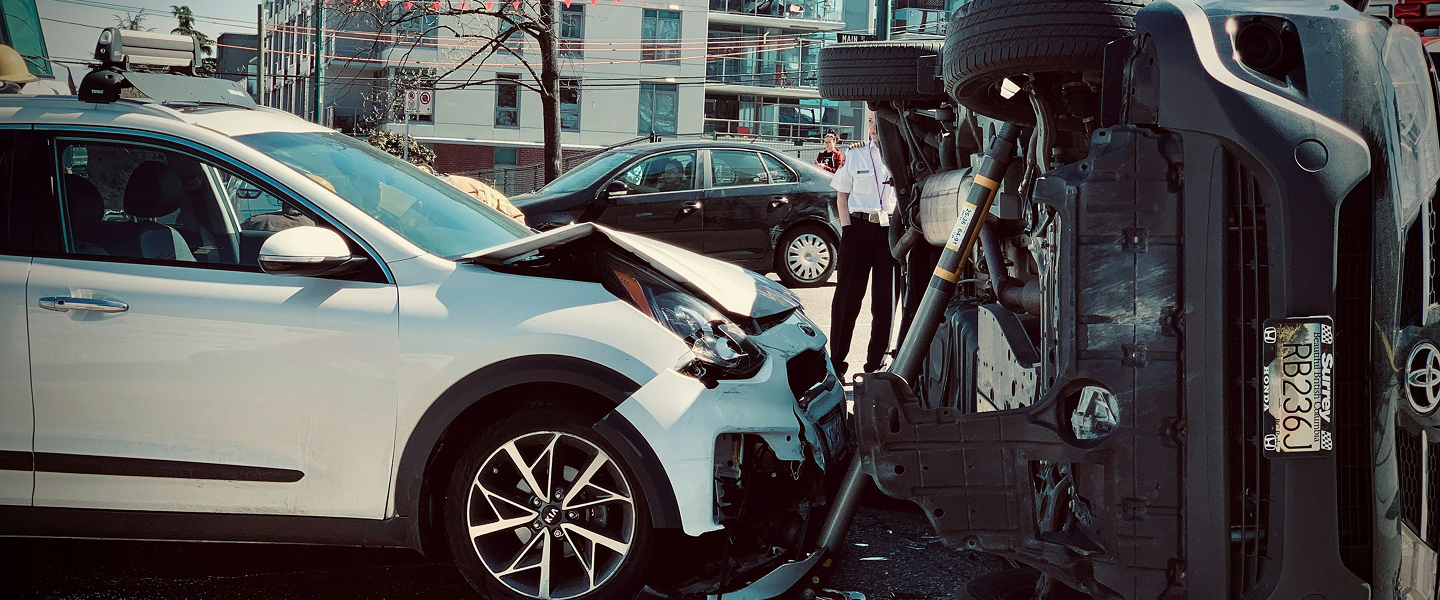
Make sure to take photographs of everything – treat the incident like a photoshoot. It is important to document every little detail, including all four corners of both vehicles, skid marks, any broken traffic signals, loose parts, prior damage to vehicles, injuries to parties, witnesses, documents relevant to the incident, anything damaged inside the vehicles, car seats, broken headlights, broken taillights, etc.
Gather Witness Statements
If there are any witnesses at the scene, their information should be gathered. If possible, they can provide a written or recorded statement at the scene. Make sure to have their permission before recording and to get all their contact information. If the police are there, make sure they speak with them and provide their statements.
File An Accident Report
If someone is involved in an auto accident, the incident should be reported to the neared police department or highway patrol. For some incidents, filing an accident report is mandatory. For example, California Vehicle Code § 20008 states in pertinent parts, ”… [t]he driver of a vehicle, other than a common carrier vehicle, involved in any accident resulting in injuries to or death of any person shall within 24 hours after the accident make or cause to be made a written report of the accident to the Department of the California Highway Patrol or, if the accident occurred within a city, to either the Department of the California Highway Patrol or the police department of the city in which the accident occurred…”
Notify The Department of Motor Vehicles
California law requires that drivers involved in an auto collision report the incident to the Department of Motor Vehicles. The form requires to fill out is called an SR-1 form and can be found on the DMV website.
Repair The Vehicle
After a collision, the vehicles won’t run the same and will likely have moderate to severe damage, internal and external. Make sure to take the vehicle to a certified body shop that uses original manufactured parts to get the vehicle repaired so it can safely be driven on the road.
Notify Your Insurance Company
Following an auto accident, it is important to notify your insurance company and to open an insurance claim. However, see step #10.
Consult With An Attorney
Lawyers are not experts in math, but they are experts in the law. Determining whether an attorney needs to be involved in a claim is crucial. Insurance agents are trained to find reasons to deny coverage for the incident – even when it is the insured’s own comprehensive, collision, underinsured, or uninsured motorist coverage. The more claims that are denied, the less claims have to be paid out. It is important to have an attorney when making a claim to make sure all rights are protected and to ensure maximum settlement of the claim.
Do not wait, never hesitate, and reach out to a professional attorney who is ready to work for you.