Am I Required To Stay At The Scene?
California Vehicle Code § 16028 states in pertinent parts, “…[e]very person who drives a motor vehicle upon a highway shall provide evidence of financial responsibility for the vehicle that is in effect at the time of the demand is made. The evidence of financial responsibility may be provided using a mobile electronic device. However, a peace officer shall not stop a vehicle for the sole purpose of determining whether the vehicle is being driven in violation of this subdivision…” California Vehicle Code § 20002 further states that everyone involved in an auto collision must also “…[p] resent his or her driver's license, and vehicle registration, to the other driver, property owner, or person in charge of that property.
What Is The Minimum Amount Of Information I Must Exchange?
The following information must be exchanged:
- Name of driver;
- Driver’s address;
- Driver’s license number;
- Vehicle Identification number;
- Address of registered owner of vehicle; and
- Proof of financial responsibility/insurance.
What Other Information Should I Gather?
The following information should be gathered at the scene:
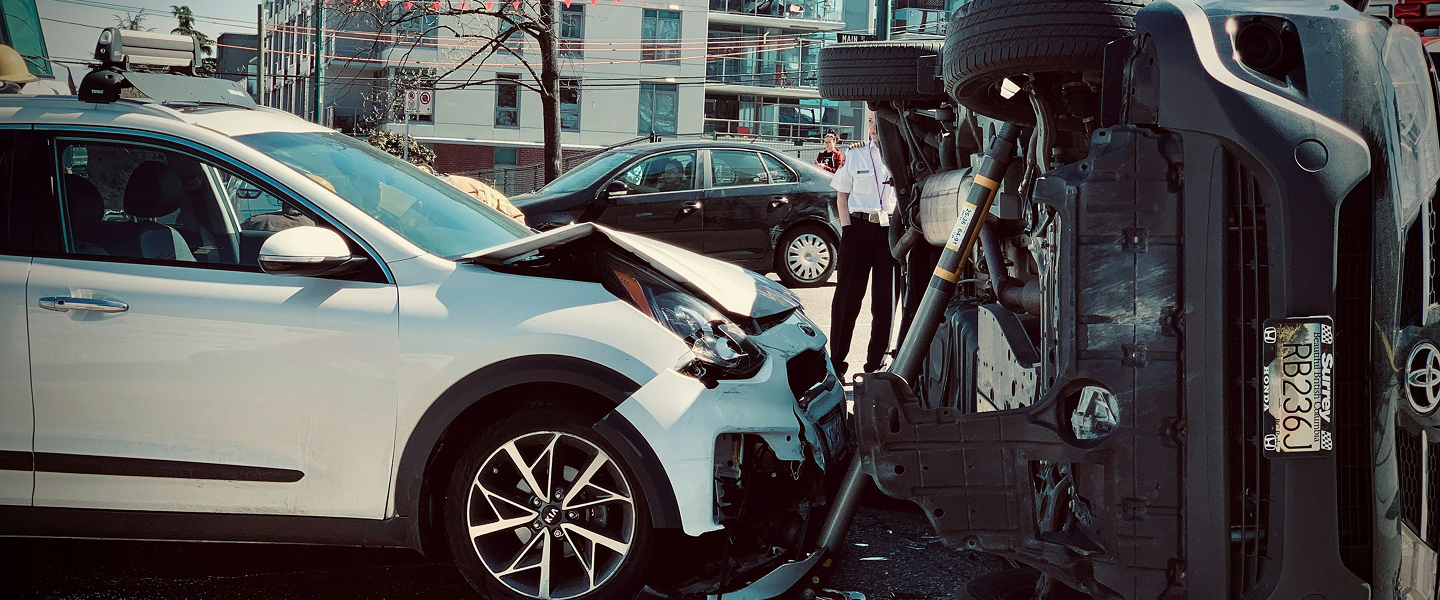
- Photographs of the vehicles;
- Photographs of any damage;
- Photographs of any skid marks;
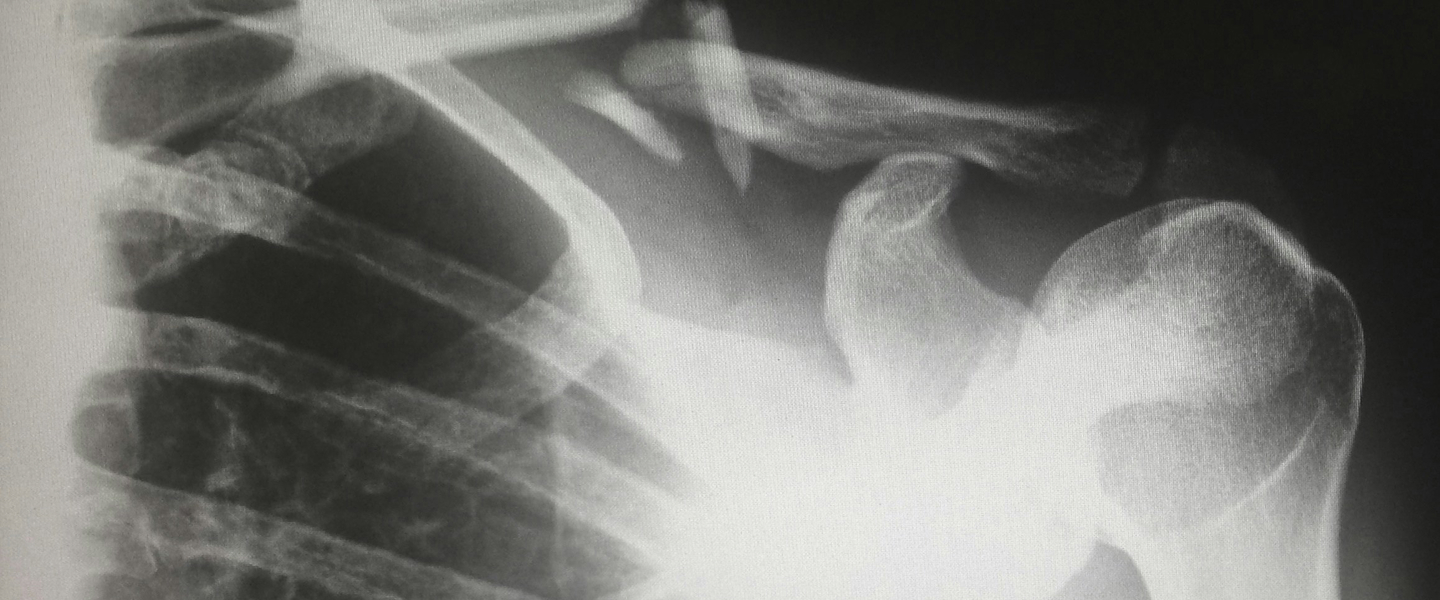
- Photographs of any injuries;
- Photographs of any obstructions;
- Photographs of any security cameras;
- Witness’ contact information;
- Passengers’ contact information;
- Written statements;
- Recorded statements;
- License plate;
- Vehicle make, model, and year;
- Driver’s phone number;
- Driver’s email address;
- Driver’s employer information; and
- Driver’s date of birthday.
What Happens If I don’t Exchange Information At The Scene Of An Accident?
If at at-fault driver flees the scene of an auto accident, whether there is injuries or property damage, they can be charged with California Vehicle Code § 20002(a), a misdemeanor commonly known as “hit and run.” The party that flees the scene of an accident could face up to six months in jail and a fine of up to $1,000.00. the Courts tend to be very hard on hit and run cases because this type of behavior shows conscious disregard for the safety and public of others, a willful and intentional unlawful act.
Do I Need To Report The Car Accident To The Department of Motor Vehicles?
In California, the law requires that traffic accidents on street, highway, or private property to be reported to the Department of Motor Vehicles within ten days of the accident if there was an injury, death, or property damage more than $1,000.00. Untimely reporting of the traffic accident to the Department of Motor Vehicles could result in the Department of Motor Vehicle suspending a driver license. California Vehicle Code § 1806 requires the Department of Motor Vehicles to record accident information regardless of fault and requires that the driver file an SR-1 form with the Department of Motor Vehicles regardless of whether they caused the collision.
What If I Don’t Want My Insurance Rates To Go Up?
The non-fault driver should not have an insurance rate increase for reporting the incident to their insurance carrier. This should apply even if they are using their collision, comprehensive, uninsured motorist, or underinsured motorist coverage. However, some insurance companies have complete discretion to remove any applicable discounts, such as good driver discounts or no accident discounts. As a result, the non-fault party’s insurance may still increase. Unfortunately, whether or not the insured is at fault, the incident must be reported to the insurance, or the Department of Motor Vehicles will report it through their internal reporting process.
If I Am Not Hurt At The Scene Of The Accident, Should I Still Exchange Information?
Thousands of car accidents occur every day that occur at a relatively low speed of 10mph or less. This is enough speed to cause whiplash when there’s a sudden stopping motion or an impact from behind which causes a person’s neck to snap forward and backwards quickly. The symptoms may not appear right away and take a few weeks to appear. It also does not take much force at all to cause a brain to rock against the inside of a skull. This can lead to bruising or bleeding of the brain. A low impact car accident can easily cause back or spinal cord injuries. The spinal cord can be tweaked from low impact, and the smallest tweak the wrong way could cause long term pain.
The first thing everyone should do when they are involved in a collision is to seek medical attention. Call 9-1-1 and wait for ambulance and emergency personnel to arrive at the scene to assess and address any injuries. No one should take any risks with their health. Many injuries such as spinal cord injuries, concussion symptoms, and other internal injuries can arise a few days following the collision. Those involved in an auto collision should always seek medical attention to make sure there are no potential injuries. Following up with a primary doctor just after a few days can do no harm.
Consult with an attorney
Lawyers are not experts in math, but they are experts in the law. Following an auto accident, it is important to have an attorney when reporting a claim to make sure all rights are protected and to ensure maximum recovery of the claim. Regardless of whether there are any injuries or damages, if an accident is being reported, seek consultation with an attorney.
Do not wait, never hesitate, and reach out to a professional attorney who is ready to work for you.